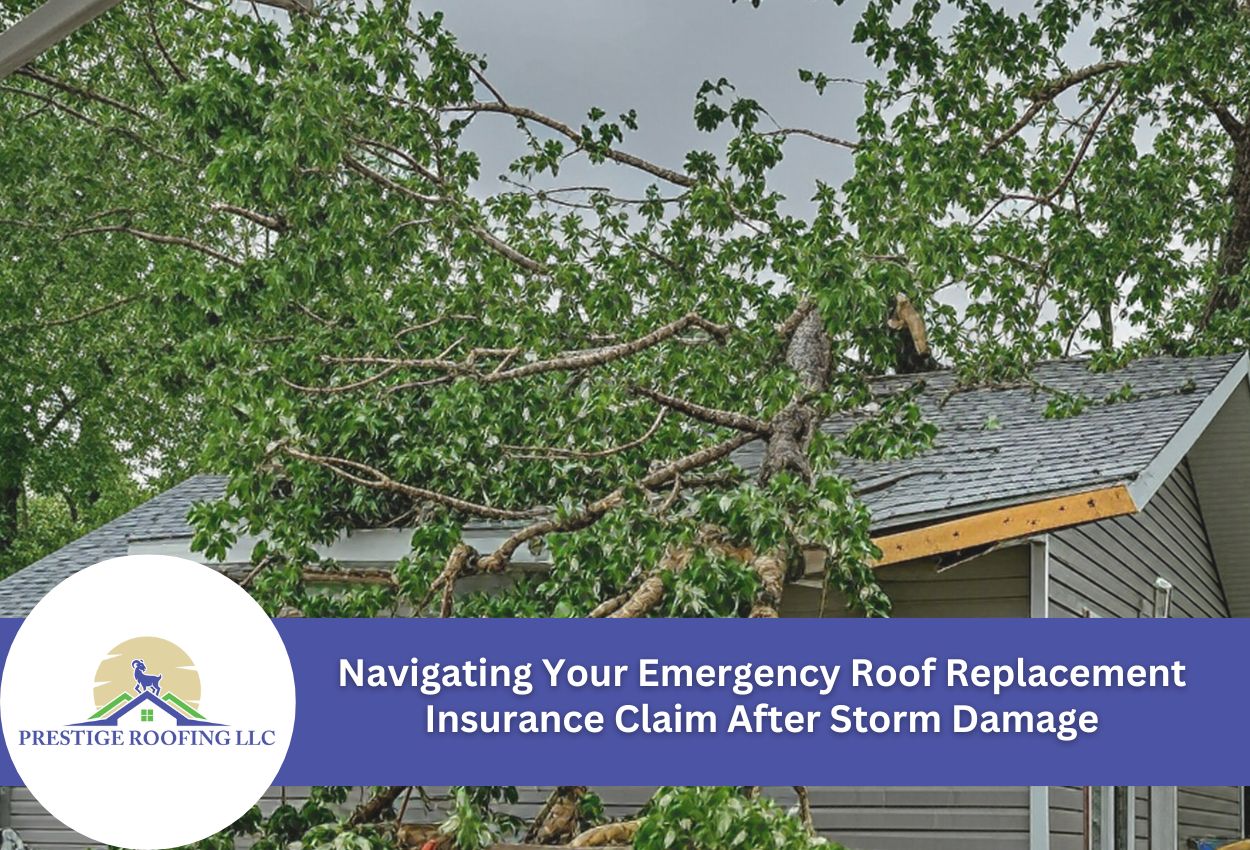

Roof damage strikes without warning, leaving homeowners scrambling to protect their property from water damage and structural harm. Whether caused by severe storms, fallen tree branches, or sudden material failure, compromised roofs call for immediate attention to prevent expensive interior damage and preserve your home’s structural integrity.
Temporary roof repair solutions provide important protection during the window between initial damage and permanent professional repairs. These emergency measures can mean the difference between minor leaks and devastating interior flooding that affects flooring, walls, electrical systems, and personal belongings.
Emergency roof tarping is the most widely used temporary fix, offering reliable waterproof coverage for larger damaged areas. Quick roof leak fixes using temporary roof patching materials can address smaller punctures and tears effectively. Waterproof roof covering options go past basic tarps to include specialized temporary roofing membrane installation that provides superior protection against the elements.
Understanding which temporary repair method suits specific types of damage helps property owners act swiftly and effectively. Time remains an important factor when your roof’s structural integrity becomes compromised, as each passing hour increases the potential for water damage to spread throughout the structure.
Emergency Roof Tarping Techniques That Work
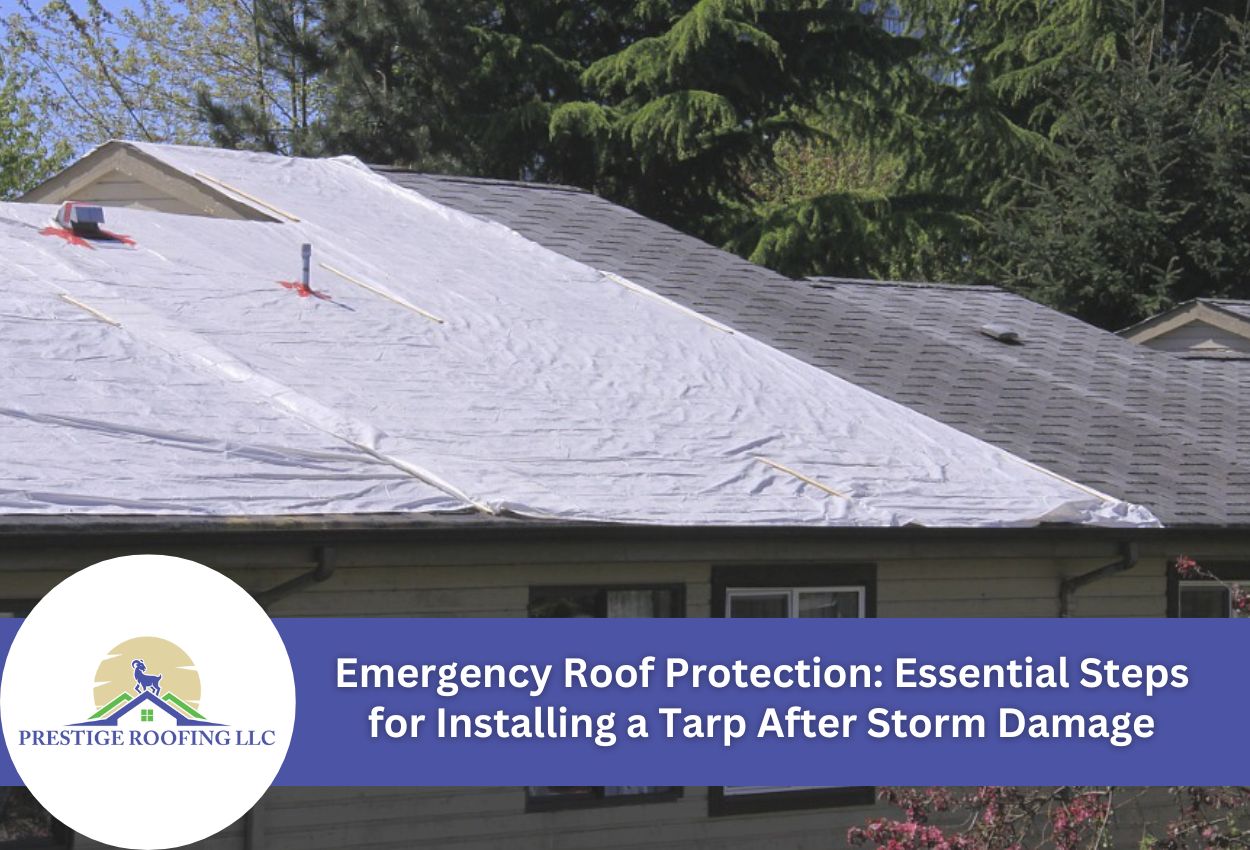
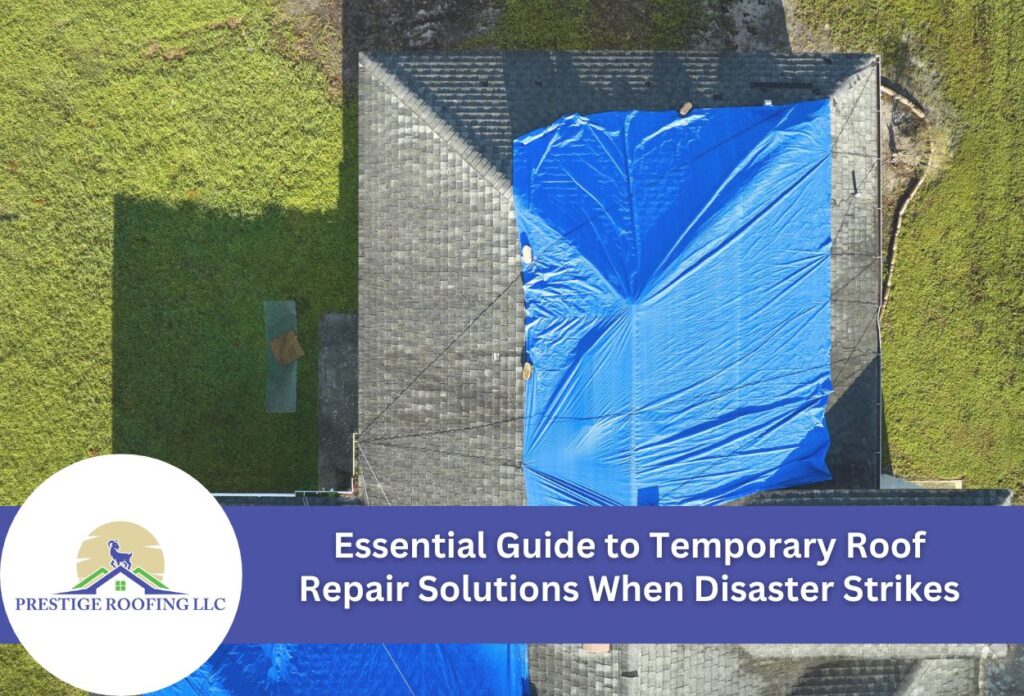
Proper emergency roof tarping requires specific materials and systematic application to create an effective waterproof roof covering. Heavy-duty polyethylene tarps rated at a minimum 6-mil thickness provide adequate protection, while reinforced vinyl tarps offer superior durability for extended temporary coverage. Essential tools include roofing nails, a hammer, a utility knife, a measuring tape, and safety equipment, including non-slip shoes and harnesses.
The tarping process begins with measuring the damaged area and adding 4 feet on all sides for proper overlap. Position the tarp to extend beyond the roof peak when possible, allowing water to flow over the ridge rather than pooling in particular areas. Secure the tarp using wooden strips nailed through the material into solid roof decking, creating a sandwich effect that prevents tearing in high winds.
Common mistakes significantly compromise temporary roofing membrane installation. Using undersized tarps creates gaps where water can get in. Inadequate fastening allows wind uplift that can turn tarps into dangerous projectiles. Failing to address roof edges properly lets water in along the perimeter. All of these issues are easily avoidable with the proper technique.
Another error involves placing fasteners directly through damaged areas rather than securing them to solid structural elements. This weakens the attachment and creates additional places where leaks can occur. Proper temporary roof patching materials combined with correct installation techniques ensure maximum protection until permanent repairs can be completed by qualified roofing professionals.
The Best Materials for Quick Roof Patching Jobs
Selecting appropriate temporary roof patching materials depends on the severity of the damage, the type of roof material, and upcoming weather conditions. Roofing cement provides excellent adhesion for small cracks and gaps, particularly on asphalt shingle roofs. This thick, black compound creates waterproof seals that remain flexible in temperature changes. Fabric patches reinforced with fiberglass mesh offer structural support when combined with roofing cement for larger tears or punctures.
Rubber compounds deliver superior performance on flat or low-slope roofs where traditional materials may fail. Self-adhesive rubber patches bond directly to clean, dry surfaces without additional tools or heating. These patches expand and contract with temperature changes while maintaining a watertight seal. Liquid rubber coatings work effectively over existing roofing materials, creating seamless waterproof roof covering options that conform to irregular surfaces.
Material selection requires matching patch characteristics to specific roof conditions. Metal roofs benefit from specialized metal repair compounds that resist corrosion and thermal expansion. Tile roofs need flexible sealants that accommodate movement without cracking. Emergency roof tarping remains the preferred solution for extensive damage, while smaller areas respond well to targeted patching approaches.
Weather conditions significantly influence material performance and application timing. Quick roof leak fixes using fast-setting compounds work best during dry periods. Some products can be used on wet surfaces, allowing for application during light moisture conditions when immediate repair becomes necessary. Just be sure to check the label of any product before you buy it to see if it can work in these conditions.
Simple Solutions for Stopping Roof Leaks Fast
When roof leaks threaten immediate damage to interior spaces, implementing both indoor and outdoor temporary measures is important for protection. Managing active leaks requires an approach that addresses water from multiple angles while preparations are made for more extensive exterior repairs.
Interior leak management begins with containing indoor leaks using buckets, tarps, or plastic sheets positioned beneath dripping areas. Moving furniture and electronics away from leak zones prevents additional property damage.
Quick exterior fixes utilizing common household items provide immediate leak reduction when professional-grade materials are unavailable. Plastic garbage bags secured with duct tape offer temporary waterproof roof covering for small damaged areas. Wooden shingles or plywood pieces can temporarily replace missing materials when properly secured with roofing nails.
Emergency roof tarping using blue poly tarps is one of the most effective temporary solutions for larger compromised areas. Securing tarps with 2×4 lumber strips prevents wind damage and gives adequate water runoff. Temporary roof patching materials like roofing cement mixed with fabric mesh create durable seals for punctures and tears.
These quick roof leak fixes buy critical time while professional contractors assess damage and plan permanent repairs. Proper temporary roof membrane installation requires attention to detail but provides reliable protection during emergencies when immediate action prevents extensive interior damage.
Waterproof Covering Options for Different Types of Roofing Materials
Different roofing materials need specific waterproofing to ensure effective temporary protection without damaging the system. For shingle roofs, a standard polyethylene tarp is the most readily available option. Metal roofing systems present unique challenges due to their smooth surface and thermal expansion properties. Specialized adhesive-backed membranes designed for metal surfaces create better seals than traditional tarps.
Tile roofs need careful handling to prevent additional damage during emergency roof tarping. Removal of broken tiles needs to be done carefully (they can be sharp when broken or chipped) before applying a waterproof membrane to create flat surfaces for proper adhesion. Clay and concrete tiles crack easily under pressure, requiring the placement of protective boards before walking on damaged areas.
Flat roofs benefit from liquid rubber coatings that conform to existing drainage patterns and membrane seams. These waterproof roof covering options flow into cracks and gaps that rigid materials cannot seal effectively. Modified bitumen sheets provide excellent temporary protection when properly adhered with a torch or with adhesives.
Wisconsin weather conditions can significantly impact the material selection and application methods for temporary roof patching materials. Snow requires reinforced attachment systems that distribute weight evenly across roofing structures. Temperature fluctuations need flexible materials that maintain their structural integrity through freeze-thaw cycles, and wind resistance becomes important during storms. Improperly secured coverings can cause additional damage or safety hazards to surrounding properties if they come loose or fly away from fast-moving wind.
Installing Temporary Roofing Membranes for Maximum Protection
The temporary installation of roofing membranes becomes necessary when conventional emergency roof tarps cannot protect against extensive damage or long-term weatherproofing needs. These specialized membranes offer superior durability and weather resistance compared to standard polyethylene tarps, making them ideal for situations requiring extended temporary coverage while awaiting materials or favorable weather conditions for permanent repairs.
Membrane systems excel in protecting large damaged areas, complex roof geometries, and situations where multiple gaps or irregular surfaces compromise traditional waterproof roof covering options. Professional contractors often recommend membrane installation when damage extends across multiple roof sections or when standard temporary roof patching materials cannot address the scope of structural compromise.
The installation process requires surface preparation, which begins with the removal of loose debris, damaged materials, and standing water from the affected areas. Clean surfaces ensure proper adhesion and prevent premature failure. Measure the damaged area accurately, allowing sufficient overlap onto undamaged sections for a secure attachment. Roll out the membrane, making sure to avoid wrinkles or air bubbles that create weak points susceptible to wind uplift or water pooling.
Safety considerations during temporary roof membrane installation include using proper fall protection equipment, avoiding work during wet or windy conditions, and ensuring adequate help for handling large membrane sections. While homeowners can attempt smaller installations, extensive damage often requires professional expertise to ensure proper attachment and weatherproofing.
When to Call Professionals vs. DIY Temporary Repairs
Determining whether to attempt temporary roof repair solutions yourself or contact professional contractors depends on several important safety factors and damage assessment considerations. Homeowners can safely handle minor issues like small leak spots using temporary roof patching materials or applying emergency roof tarping to accessible, low-slope areas with proper safety equipment.
Simple, quick roof leak fixes that involve roofing cement, small membrane patches, or basic waterproof roof covering installation, fall within reasonable DIY capabilities when damage remains limited and weather conditions permit safe access. However, steep roof angles, heights exceeding one story, extensive structural damage, or compromised roof decking require immediate professional intervention to prevent injury and ensure effective repairs.
Electrical hazards near power lines, gas line proximity, or structural instability indicate situations that call for professional assessment before any temporary roofing membrane installation attempts. Professional contractors possess specialized safety equipment, insurance coverage, and expertise to handle complex damage safely while providing warranties on their temporary repair work.
When seeking emergency roofing contractors, verify licensing, insurance coverage, and local references before agreeing to services. Reputable contractors provide detailed damage assessments, explain the difference between temporary and permanent repairs, and offer realistic timelines for permanent solutions. Professional temporary repairs typically include installing a waterproof roof cover, structural stabilization when necessary, and documenting any damage properly so you can show your insurance adjuster for claims processing.
Secure Your Home with Prestige Roofing LLC’s Expert Temporary Roof Repair Solutions
When disaster strikes your roof, immediate action is important for protecting your home from further damage. Whether it’s due to severe weather, fallen branches, or sudden leaks, knowing when to call in professionals can save you not only time but also prevent potential hazards. If you need quick, reliable temporary roof repair solutions in Green Bay, Prestige Roofing LLC is here to help. Our team of experts is equipped with the right materials and knowledge to ensure your home remains safe and dry.
Don’t wait for small issues to turn into expensive repairs. Call Prestige Roofing LLC now at (920) 791-0414 and let us provide you with effective and efficient temporary roof repair solutions tailored to your needs.