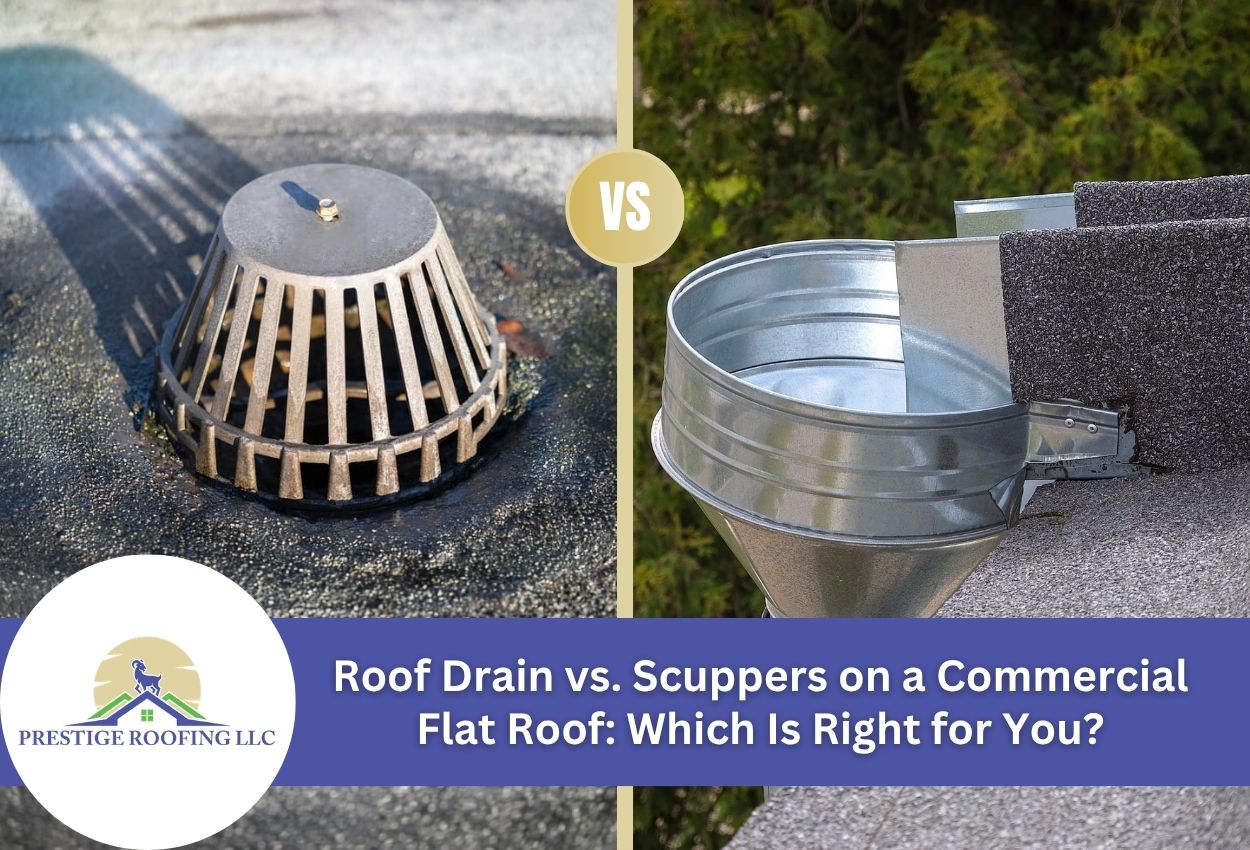
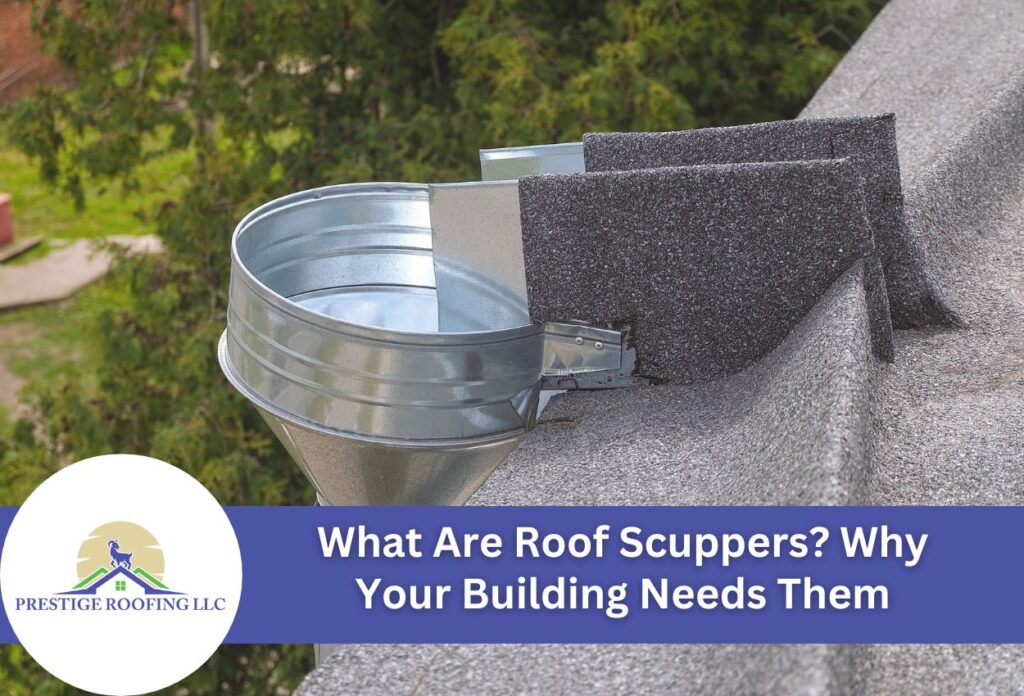

Roof scuppers are essential drainage outlets designed to channel water off flat roofs and away from building structures. These rectangular or square openings cut through parapet walls or roof edges serve as critical components in commercial roof drainage systems, preventing water from accumulating on roof surfaces where it can cause serious damage.
When rainwater or melted snow collects on a flat roof, it needs somewhere to go. Without proper drainage, this water creates pools that add tremendous weight to the roof’s structure while increasing the risk of leaks, mold growth, and expensive structural damage. Roof scupper drainage systems solve this problem by providing controlled water outlets that direct moisture away from the building’s foundation.
Most commercial buildings and many residential properties with flat or low-slope roofs rely on these drainage outlets to maintain structural integrity. Roof scuppers work by creating openings at strategic points along roof perimeters, allowing gravity to pull standing water through the outlets and into downspouts or away from the building entirely.
Understanding flat roof water management becomes crucial for property owners who want to protect their investment. Proper roof scupper installation and regular roof scupper maintenance ensure these systems function effectively year-round, preventing water-related problems that could compromise the entire building structure and require expensive repairs.
How Roof Scuppers Work in Your Drainage System
Understanding how roof scupper drainage systems integrate with your building’s water management infrastructure reveals their critical role in protecting your property. These drainage outlets connect seamlessly to downspouts and gutters, forming a comprehensive network that efficiently moves water from roof surfaces to safe discharge points away from your building’s foundation.
Gravity naturally guides this water toward the strategically positioned scuppers along the roof’s perimeter. As water reaches the scupper opening, it flows through the outlet and into connected downspouts or external drainage systems. This continuous flow prevents water from pooling on the roof’s surface, which is essential for maintaining structural integrity.
Commercial roof drainage relies heavily on this systematic approach to water removal. Without functioning scuppers, water accumulation creates hydrostatic pressure that can get through roofing membranes, leading to leaks and interior damage. The constant presence of standing water also accelerates roof deterioration by breaking down roofing materials and creating conditions favorable to mold and rot.
Different Types of Roof Scuppers for Various Building Needs
Commercial roof drainage systems utilize two primary types of scuppers, each serving distinct functions in flat roof water management. Through-wall scuppers go directly through parapet walls or building exteriors, creating permanent openings that channel water away from the roof surface. Other scuppers connect directly to downspouts, providing the primary drainage path for most commercial buildings.
Overflow scuppers serve as backup drainage when primary systems become blocked or overwhelmed during heavy rainfall. These secondary outlets position higher than through-wall scuppers, activating only when water levels rise beyond normal drainage capacity. This dual-system approach ensures continuous water removal even when debris clogs primary drainage channels, preventing catastrophic roof flooding.
Aluminum scuppers offer lightweight durability and corrosion resistance, making them suitable for most commercial applications. Copper scuppers provide superior weather resistance and develop an attractive patina over time, though they require a higher initial investment. Galvanized steel options deliver strength and affordability for budget-conscious projects.
Metal scuppers generally outperform plastic alternatives in durability and weather resistance. Proper roof scupper installation requires matching material selection to specific roof types and environmental conditions, ensuring optimal performance throughout the system’s lifespan while supporting effective roof scupper maintenance practices.
Signs Your Roof Scuppers Need Professional Attention
Recognizing warning signs of scupper problems helps property owners address issues before they escalate into expensive repairs. Water stains appearing on exterior walls below scupper locations indicate improper drainage or overflow conditions that require immediate attention. These discolored streaks often signal that roof scupper drainage systems are not functioning properly, allowing water to cascade down building walls instead of flowing through designated channels.
Standing water on roof surfaces presents a clear indicator of drainage problems within commercial roof drainage systems. When scuppers fail to remove water effectively, pools form on the roof membrane, creating extra weight and increasing the risk of a leak forming. This standing water often results from clogged scupper openings or damaged outlets that restrict proper water flow during precipitation events.
An inspection of the drain’s openings can reveal additional warning signs requiring professional intervention. Debris buildup, including leaves, twigs, and sediment, blocks water flow and creates backup conditions during rainstorms. Rust formation around metal scupper edges indicates deterioration that could compromise structural integrity and drainage effectiveness over time.
Observing water flow patterns during rainfall helps identify malfunctioning scuppers in flat roof water management systems. Water should flow smoothly through scupper openings without backing up or overflowing onto roof surfaces. Irregular flow patterns, gurgling sounds, or water spilling over scupper edges suggest blockages or structural damage requiring professional roof scupper maintenance to restore proper drainage function and protect building integrity.
Professional Installation Requirements for Roof Scuppers
Professional roof scupper installation demands precise calculations to determine optimal sizing and placement for effective drainage performance. Building codes specify minimum scupper dimensions based on roof area calculations, with larger roof surfaces requiring larger drainage outlets. Installation professionals must account for local rainfall intensity data and roof slope characteristics when positioning scuppers to ensure adequate water removal capacity during severe weather events.
Deciding where to place drains goes past basic sizing requirements to include strategic positioning along roof perimeters. Commercial roof drainage systems require scuppers positioned at low points where water naturally accumulates, typically spaced according to manufacturer specifications and local building codes. Installation teams must evaluate roof membrane compatibility and structural support requirements to prevent damage during cutting and mounting procedures.
Waterproofing techniques form the cornerstone of successful roof scupper installation, requiring specialized sealing methods to maintain roof membrane integrity around scupper openings. Professional installers apply multiple layers of waterproof sealants and flashing materials to create watertight seals that prevent moisture infiltration. These sealing techniques must accommodate thermal expansion and contraction while maintaining long-term adhesion to roofing materials.
Proper integration with existing flat roof water management infrastructure ensures seamless water flow from roof surfaces through scupper outlets. Professional installation prevents common problems, including inadequate sealing, improper sizing, and poor placement that could compromise building protection and necessitate premature roof scupper maintenance interventions.
Keeping Your Roof Scuppers in Good Working Condition
Maintaining functional roof scupper drainage systems requires consistent attention to debris removal, visual inspections, and water flow testing throughout the year. Property owners should schedule regular cleaning of scupper openings to prevent leaves, twigs, and sediment from accumulating and blocking water flow. Monthly visual inspections help identify early signs of damage, including rust formation, loose connections, or deteriorating sealant around scupper edges that could compromise drainage effectiveness.
Testing the flow of water during light rainfall can give valuable insights into commercial roof drainage performance. Water should move smoothly through scupper openings without backing up or overflowing onto roof surfaces. Any irregular flow patterns or standing water near scupper locations indicate potential blockages or structural issues requiring immediate attention to maintain proper flat roof water management.
Green Bay area property owners face unique seasonal challenges that demand specific roof scupper maintenance strategies. Preparing scuppers for winter weather involves removing all debris before freezing temperatures arrive and checking that outlets remain clear for spring snowmelt. Ice dam formation around scupper openings can create dangerous backup conditions, making regular winter monitoring essential for preventing expensive water damage.
Spring inspections become particularly important after harsh Wisconsin winters, as freeze-thaw cycles can damage scupper materials and compromise sealing integrity. Property owners should examine scupper connections to downspouts and verify that winter weather has not shifted or damaged drainage components that support effective roof scupper installation performance year-round.
When to Call a Professional Roofing Contractor
Several situations require professional expertise beyond basic roof scupper maintenance, particularly when dealing with complete scupper replacement or major system modifications. When scupper materials show extensive corrosion, cracking, or structural damage that compromises their integrity, replacement becomes necessary to maintain effective commercial roof drainage. Professional contractors possess the specialized tools and knowledge required for proper removal of damaged scuppers without compromising surrounding roof membrane integrity.
Major repairs involving roof scuppers often require modifications to existing roof structures or integration with building updates. When buildings undergo renovations or expansions that alter roof configurations, existing scuppers may no longer provide adequate drainage capacity. Professional roofing contractors can recalculate drainage requirements and modify scupper installations to meet current building codes and performance standards.
Making upgrades to meet current building codes frequently requires professional intervention, especially for older buildings with outdated drainage specifications. Modern codes often require larger scupper openings, additional overflow protection, or enhanced waterproofing techniques that exceed the scope of routine maintenance.
Working with experienced Green Bay roofing professionals offers distinct advantages for property owners dealing with regional weather challenges. Local contractors understand how harsh Wisconsin winters can affect the longevity of roof scuppers and can recommend materials and maintenance schedules suited to local climate conditions. Their ongoing maintenance services help prevent minor issues from developing into major drainage failures that could compromise building protection.
Ensure Your Property’s Safety with Expert Roof Scupper Installation by Prestige Roofing LLC
If you’re noticing signs of wear or damage on your roof scuppers, or if you’re unsure about the current state of your roof’s water management system, it’s crucial to consult a professional. Prestige Roofing LLC specializes in the installation, maintenance, and repair of roof scuppers tailored to meet the specific needs of your building. Serving the Green Bay area, our expertise in local weather conditions ensures that your roof is equipped to handle everything from heavy rainfall to snow and ice.
Ignoring the warning signs can lead to severe structural damage, expensive repairs, and potentially hazardous conditions. Contact Prestige Roofing LLC today at (920) 791-0414 to schedule a comprehensive roof inspection and ensure your roof scuppers are functioning correctly. Protect your investment with a professional team you can trust.